Opening a restaurant involves far more than choosing a menu and announcing a date. The building, kitchen, employees, suppliers, and guest experience all have to work together when the first orders arrive. A beautifully finished dining room cannot compensate for unreliable equipment or confusion at the host stand. Preparation becomes more manageable when each decision connects to the way the restaurant will actually operate.
The goal is to build readiness in a practical order, with enough time to resolve problems before guests encounter them. Early decisions should address the property and operating plan, while later work should test service under realistic conditions. A clear progression from construction coordination to the first meal served helps owners keep priorities in order. It also keeps visible finishing touches from taking priority over essential work behind the scenes.
1. Establish the Opening Schedule and Responsibilities
Start with a working schedule that includes property improvements, equipment deliveries, hiring, training, and required approvals. Each task needs an owner who can answer questions and report delays. Identify dependencies rather than treating every item as an independent deadline; kitchen training, for example, depends on installed equipment and available ingredients. Leave room between major milestones so one delayed delivery does not immediately threaten opening day.
When evaluating commercial roofing companies, ask how the proposed work would affect other trades and access to the property. Roof activity may influence when interior finishes, outdoor furniture, or entrance improvements can proceed. A schedule should reflect the contractor’s actual availability and the conditions of the job. Choosing a provider partly on coordination and communication helps turn a list of repairs into a workable construction sequence.
The initial scope for a commercial plumbing contractor should account for the restaurant’s intended layout and equipment connections. Share the planned locations of sinks, dishwashing equipment, and restrooms before construction decisions become difficult to change. Clarify who handles each connection and which work must precede cabinetry or finished surfaces. Those responsibilities belong in the opening schedule alongside supplier deliveries and staff preparation, rather than appearing as last-minute installation questions.
2. Evaluate the Building Before Finishing Interiors
A commercial roofer can assess the roof’s condition before the restaurant invests in finished ceilings and dining room décor. Existing stains, visible wear, or a history of leaks deserve attention during this stage. Ask for a clear description of recommended work and any access needs that could affect the project. Addressing the building above the dining room early reduces the likelihood of reopening completed areas for avoidable repairs.
Evaluate commercial doors according to where they will be used, including the main entrance, delivery access, and other applicable openings. An entrance that suits guest traffic may have different needs from an opening used for frequent deliveries. Qualified installers can help assess fit, hardware, and applicable requirements for the location. Make these decisions before finalizing nearby furniture, counters, and decorative elements that depend on usable clearance.
The broader property review should also cover electrical capacity, ventilation, flooring condition, and the placement of essential equipment. Bring concerns to the appropriate licensed professionals instead of allowing appearance to drive assumptions about functionality. Confirm applicable requirements with the relevant authorities before considering construction complete. A building review is most useful when its findings lead to specific decisions, assigned work, and realistic completion dates rather than an unresolved list of observations.
3. Plan the Exterior Around Daily Use
A commercial awning can contribute shade and make the entrance easier to recognize when its placement suits the building. Consider the direction guests approach from, the position of signs, and the relationship between the covering and the doorway. Discuss mounting and applicable approvals with qualified providers before ordering. The design should support everyday arrival as well as the restaurant’s appearance, especially where guests may pause outside during busy periods.
Walk the exterior with several users in mind: a first-time diner, an employee arriving before sunrise, and a supplier making a delivery. Each person needs a clear destination and an unobstructed route. Lighting, address visibility, and the placement of outdoor furniture should serve those movements. Small conflicts become easier to spot when the property is reviewed as a working space rather than viewed only from the street.
For properties that need outdoor separation, fence companies can discuss options for boundaries, patio edges, or designated service areas. Begin by defining what each enclosed area is intended to accomplish. Privacy, guest circulation, and access for routine operations can lead to different designs. Establishing those priorities before selecting materials helps avoid an attractive enclosure that interferes with the restaurant’s daily use of the site.
4. Build a Kitchen That Supports the Menu
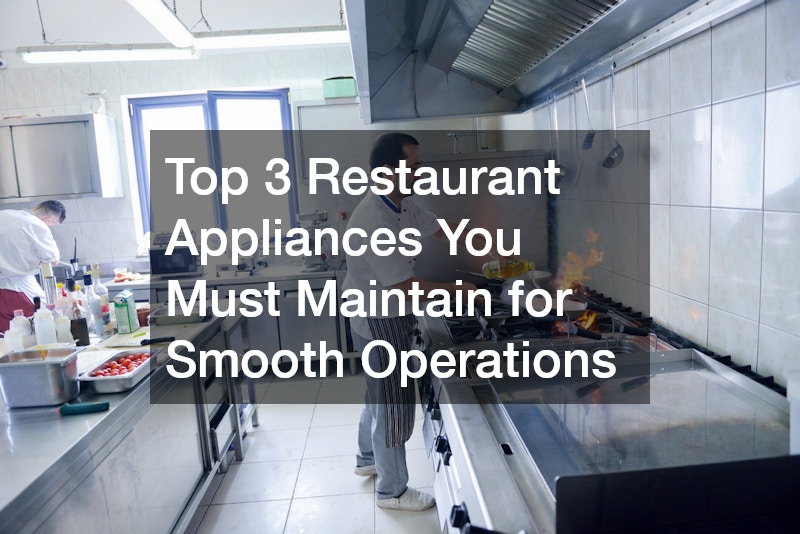
Kitchen planning should begin with the dishes the restaurant expects to prepare and the volume it intends to serve. Map how ingredients move from receiving and storage through preparation, cooking, and pickup. A layout that forces cooks to cross busy paths repeatedly can create friction even when every appliance fits. Review the arrangement with the people responsible for kitchen operations before committing to equipment positions and fixed work surfaces.
Choose commercial cooking oils based on the menu, cooking methods, and desired flavor of the finished food. A frying program may have different purchasing needs from a menu centered on sautéed dishes or cold preparations. Compare product information and supplier options against the kitchen’s actual requirements. Standardizing appropriate choices before training gives cooks a consistent starting point for recipes and makes purchasing decisions easier to repeat.
Equipment placement must be settled early enough for a commercial plumbing contractor to coordinate the connections that depend on it. Moving a sink or changing dishwashing equipment after adjacent work is complete can disrupt the remaining schedule. Confirm specifications with equipment suppliers and the relevant trades before treating the layout as final. This sequencing keeps menu planning, appliance selection, and construction decisions tied to the same operating plan.
5. Organize Purchasing and Storage
Purchasing commercial cleaning products requires more thought than ordering enough containers for the first week. Match each product to its intended surface or task, and account for the manufacturer’s directions when planning use. Arrange designated storage apart from food and food-contact supplies. Employees should be able to find the correct item without improvising or confusing similar packaging, so labeling and organization belong in the purchasing plan from the beginning.
Delivery timing for commercial cooking oils should reflect available storage and the expected pace of kitchen use. A large initial order can occupy space needed for other ingredients, while a late delivery can interrupt training. Confirm package sizes, lead times, and reorder arrangements with the supplier. The opening inventory should support recipe practice and initial service without relying on quantities that the kitchen has nowhere suitable to keep.
Build the rest of the supply list around complete tasks rather than isolated objects. A takeout order needs packaging, labels where appropriate, utensils if provided, and a reliable pickup process. Dining service requires usable table settings, sufficient linens or alternatives, and replacement stock. Recording delivery dates and storage locations makes missing pieces visible while there is still time to correct an order or adjust the service plan.
6. Make Arrival and Seating Feel Straightforward
Once furniture and service stations are positioned, check how commercial doors function within the completed layout. A doorway that was clear during construction may become crowded by a host stand, waiting guests, or a nearby table. Have the appropriate professional address hardware or operating concerns. Evaluate the entrance as part of the guest’s full journey, including the path toward seating and the way people leave after their meal.
The host stand should support a calm welcome even when several parties arrive together. Establish where guests wait, how reservations are confirmed, and who communicates table availability. Keep pickup orders from competing with seated guests for the same limited space when the layout allows another arrangement. Employees should understand the flow well enough to give clear directions without sending people back and forth across the dining room.
Review the commercial awning as part of the restaurant’s final exterior presentation, particularly its relationship to signs and the entrance. A covering selected for shade can still affect what guests see as they approach. Verify the proposed lettering and placement before production, and review the installed result from normal arrival points. The goal is a recognizable entrance whose visual elements help guests locate the restaurant without unnecessary confusion.
7. Prepare Outdoor Service and Waste Areas
Gate placement deserves careful consideration when fence companies are developing an enclosure around a patio or service area. Staff may need to move carts, receive deliveries, or reach waste containers through that opening. Discuss those movements before the design is finalized, including the space available on either side. A boundary works better when access reflects routine operations instead of requiring employees to work around the finished installation.
Outdoor dining needs its own operating plan if it will be offered at opening. Decide who monitors tables, where service supplies are kept, and how employees communicate with the kitchen. Delivery and waste routes should also be reviewed so they do not create unnecessary conflicts with guest activity. Assign responsibility for maintaining these areas throughout the day, including the transition from daytime preparation to evening service and closing.
Recurring drain backups or leaks near service areas are reasons to arrange commercial plumbing repair services before those spaces become busy. Report the location and observed symptoms so the provider can assess the issue. Keep affected areas out of normal use as appropriate until the problem has been addressed. An unresolved drainage concern can disrupt more than one part of the operation when deliveries, cleaning, and food preparation share nearby space.
8. Train Employees for Cleaning and Issue Reporting
Training should explain how the restaurant operates during ordinary service and what employees do when something goes wrong. Give each role clear responsibilities for preparation, service, handoffs, and closing. Practice situations such as a missing ingredient, an incorrect order, or a crowded pickup area. Employees benefit from knowing who makes the next decision, especially when several people are working quickly and cannot stop for a lengthy explanation.
Staff instruction for commercial cleaning products should follow the directions for the specific items purchased. Review intended uses, required handling precautions, and any preparation instructions stated by the manufacturer. Supervisors should demonstrate the approved routine and observe employees carrying it out. Product knowledge becomes useful when it is connected to an actual task, such as resetting a station or completing the closing checklist, rather than presented as a general reminder to clean.
A building issue also needs a clear reporting route; signs of water entering from above may require assessment by a commercial roofer. Employees should report what they observe to the designated manager, who can arrange the appropriate response. Staff should understand how to protect the affected area from normal use while the concern is assessed. Defining this escalation process before opening gives managers a starting point when an unexpected property problem interrupts service.
9. Coordinate Public Announcements With Site Readiness
A commercial fleet wrap may support recognition for a restaurant that operates delivery or catering vehicles. Before commissioning one, decide what information drivers’ vehicles need to display and how it relates to the restaurant’s other branding. Check the business name, contact details, and artwork carefully before approving production. Vehicle graphics should match the services actually offered at launch so the public receives a consistent message about the business.
Outstanding work involving commercial roofing companies should factor into the decision to announce a firm opening date. If contractors still need substantial access or the completion schedule remains uncertain, publicity can create expectations the property is not ready to meet. Confirm the status of essential building work before publishing date-specific promotions. This decision connects construction progress to public communication instead of allowing an announcement to become the project schedule’s only fixed point.
Guests need accurate information wherever they encounter the restaurant, including signs, online listings, reservation channels, and printed materials. Verify opening hours, the address, and any service limitations across those locations. Photographs and menu descriptions should reflect what will actually be available. Assign one person to coordinate updates so a change in opening plans does not leave several conflicting versions circulating at the same time.
10. Rehearse a Full Service Before Welcoming Guests
For a restaurant launching vehicle-based service, include the commercial fleet wrap in the final review of delivery or catering readiness. Compare the installed graphics with the published contact information and planned service area. Run a sample order through packaging, loading, transport coordination, and customer handoff. The exercise connects vehicle identification with the service guests will receive and reveals any handoff problems before paid orders begin.
Unresolved fixture problems found during rehearsal may call for commercial plumbing repair services before the opening decision is finalized. Test normal operations through the appropriate professionals and report leaks, backups, or malfunctioning fixtures promptly. Managers should distinguish minor finishing items from problems that prevent essential activities. A planned date should not outweigh evidence that restrooms, dishwashing, or other necessary functions cannot support the restaurant’s intended service.
Finish with a rehearsal that involves the dining room, kitchen, payment system, and closing routine together. Use realistic orders and handoffs so delays appear where they would during an actual shift. Record what went wrong, assign corrections, and repeat the affected portions of service once those changes are complete. The opening decision should reflect demonstrated readiness across the operation rather than confidence in a collection of individually completed tasks.
Restaurant readiness develops through connected decisions, from the condition of the property to the way an order reaches the guest. Owners who sequence that work carefully can give contractors, suppliers, and employees the information they need before delays accumulate. Clear responsibilities also make it easier to identify which unfinished items matter most. The final rehearsal then provides a practical opportunity to confirm that those separate preparations work together.
Opening day will still require attention and adjustment, but preparation gives the restaurant a dependable starting point. A functional building, organized kitchen, informed staff, and accurate public information support a more consistent first impression. Keep the opening plan focused on the actual service the business is ready to provide. Welcoming guests becomes a more confident step when the restaurant has already practiced delivering the experience it intends to offer.